When we introduced cap sheets last year, we paid close attention to contractor and distributor feedback.
One issue came up repeatedly: granule loss.
During handling and installation, granules were coming loose more easily than expected. That's not something contractors want to deal with on the roof.
So we took a closer look at the surface itself.
What most cap sheets use
Most cap sheets in the North American market use the same granule type:
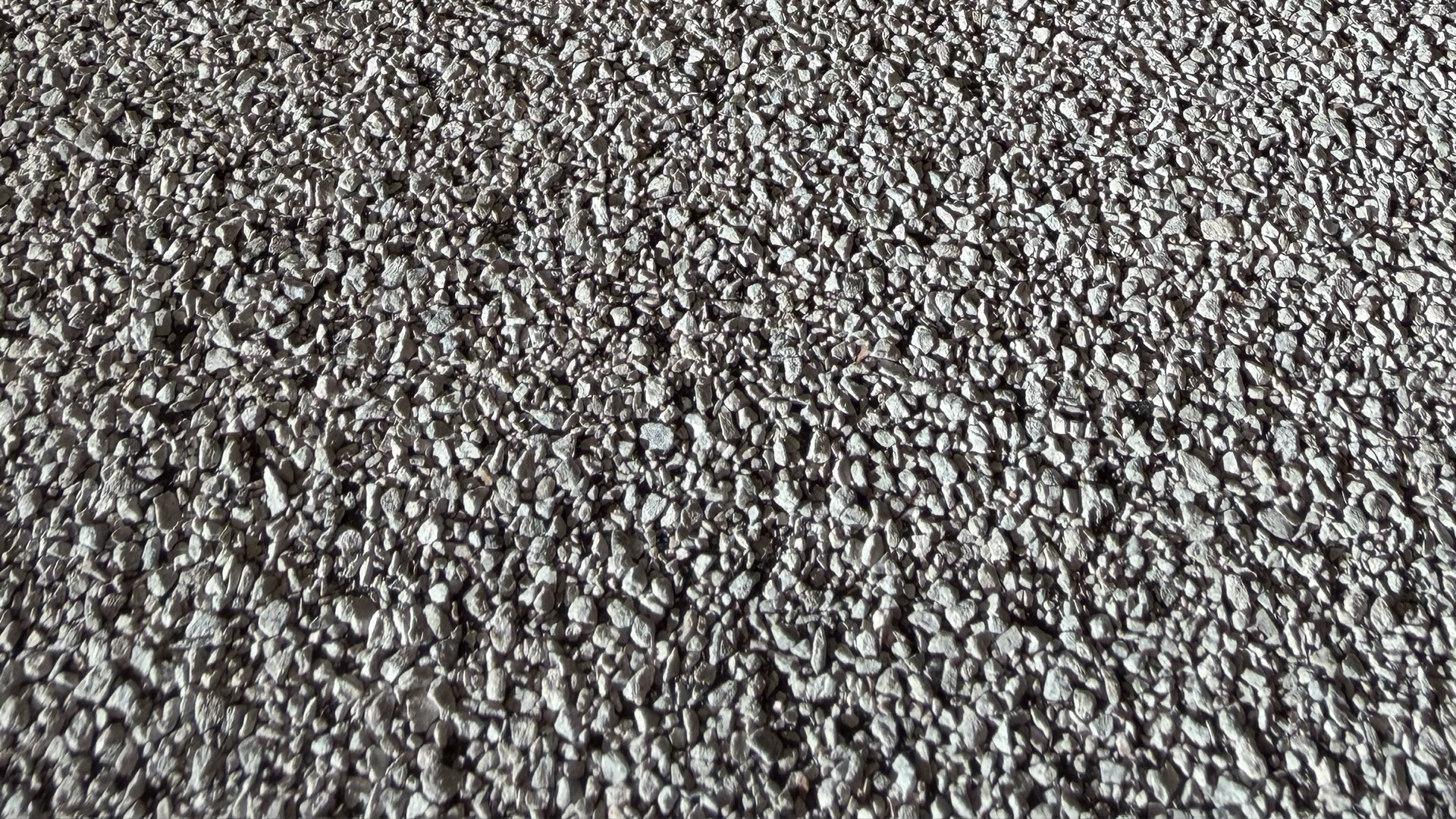
It's widely used and readily available.
Standard granules are rounded and uneven. They tend to sit on top of the asphalt rather than settle into it. They can puncture the carrier if big enough. With handling, foot traffic, or abrasion, they can loosen.
We saw this not just in our own testing, but across comparable products in the market.
At that point, we found surface geometry was the problem.
Natural Slate
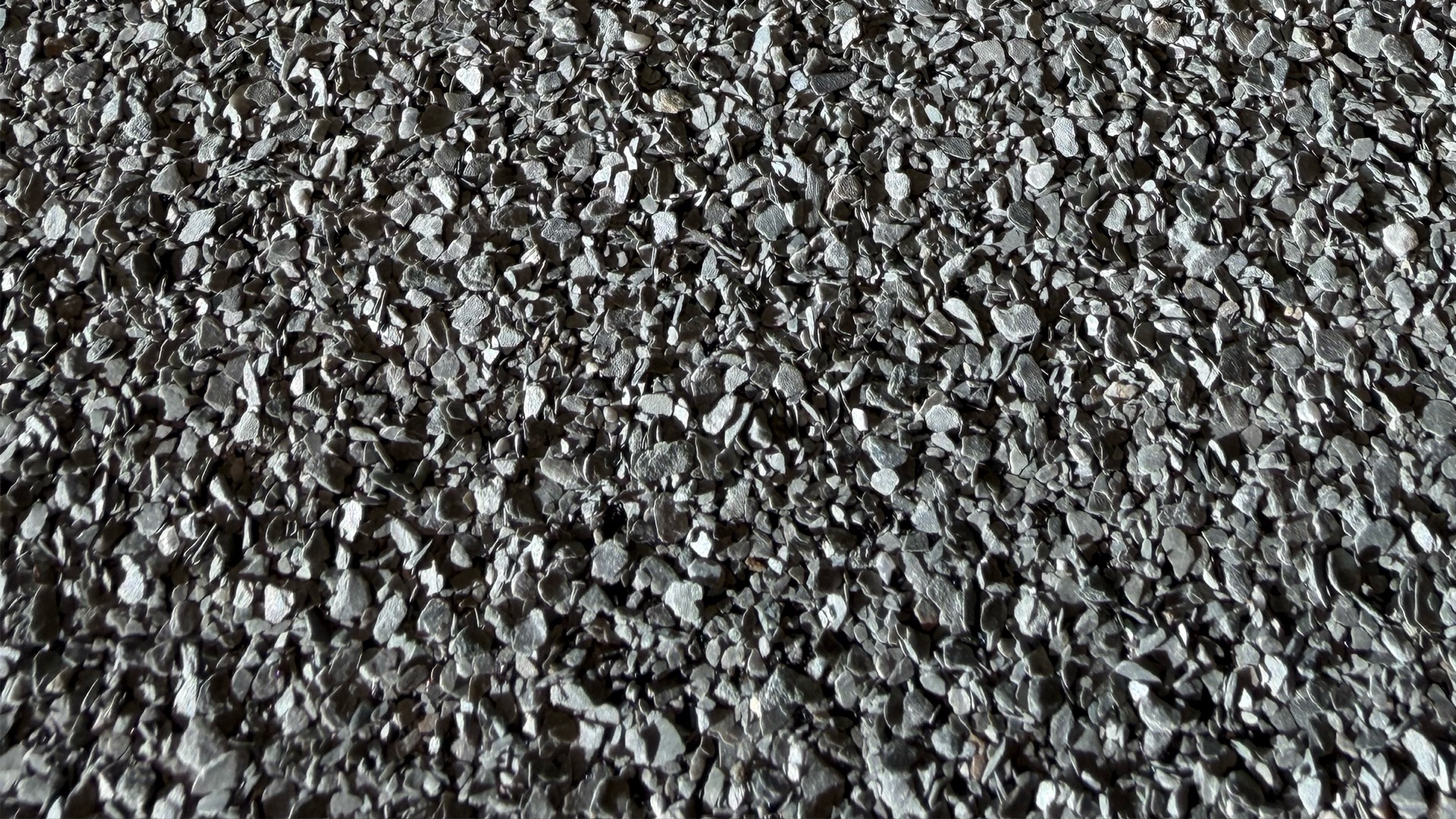
Instead of trying to improve retention with the same granule, we tested a different surface material: natural slate.
How Natural Slate behaves differently
Natural Slate has a flatter profile than standard granules.
- Slate flakes sit flat rather than on edge
- Each piece covers more surface area
- The surface packs tighter and more uniformly
- It looks beautiful
In side-by-side handling and abrasion, the slate surface stayed more intact, with visibly less movement.
What this changes on the roof
The surface feels more solid, and granule loss during normal use is reduced.
This is the same capsheet with a surface that holds together better.
What didn't change
- Still a cap sheet
- Same installation process
- Same torch and self-adhesive behavior
The change is limited to the surface material.
Where this fits
If you stock or install cap sheets for commercial or service-heavy roofs, this surface is worth comparing.
If granule loss has been a recurring complaint, this addresses that issue directly.
Comparing it yourself
The difference is easy to see and feel side by side.
Contact us to see samples.
Comments
Loading comments...